Classics —
Without the Friction.
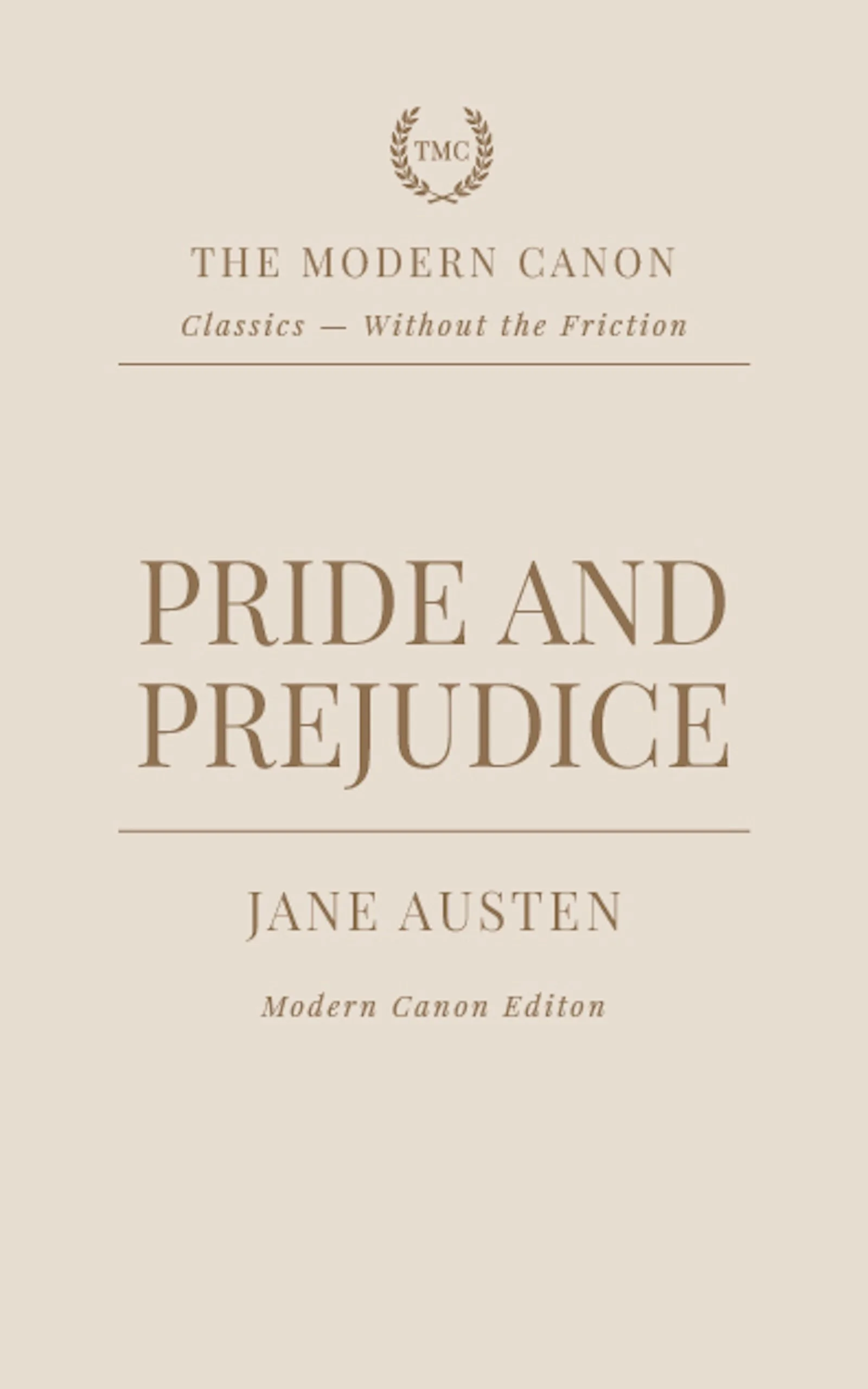
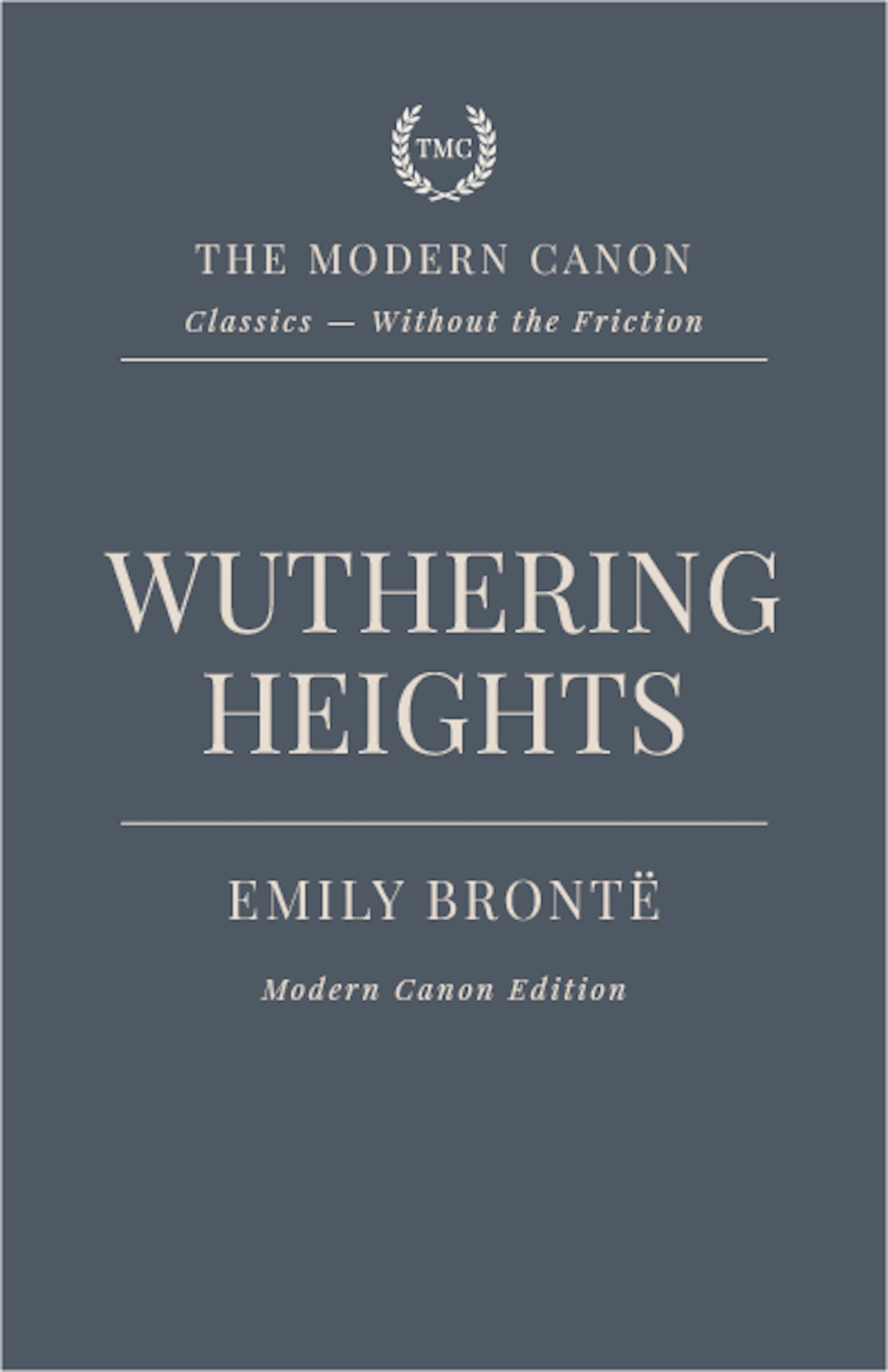
Modernized editions of the greatest
works ever written.

01
The Friction
Classic books are not difficult because of their ideas—they are difficult because of their outdated language.
Archaic vocabulary, unfamiliar syntax, and obsolete phrasing force modern readers to mentally translate as they read.
The result is not deeper understanding, but unnecessary resistance to the work itself.
We remove that friction without rewriting a single idea, so the original work can be read clearly—as it was meant to be.
“The real voyage of discovery consists not in seeking new landscapes, but in having new eyes.”
— Marcel Proust
02
How It Works
Modernization:
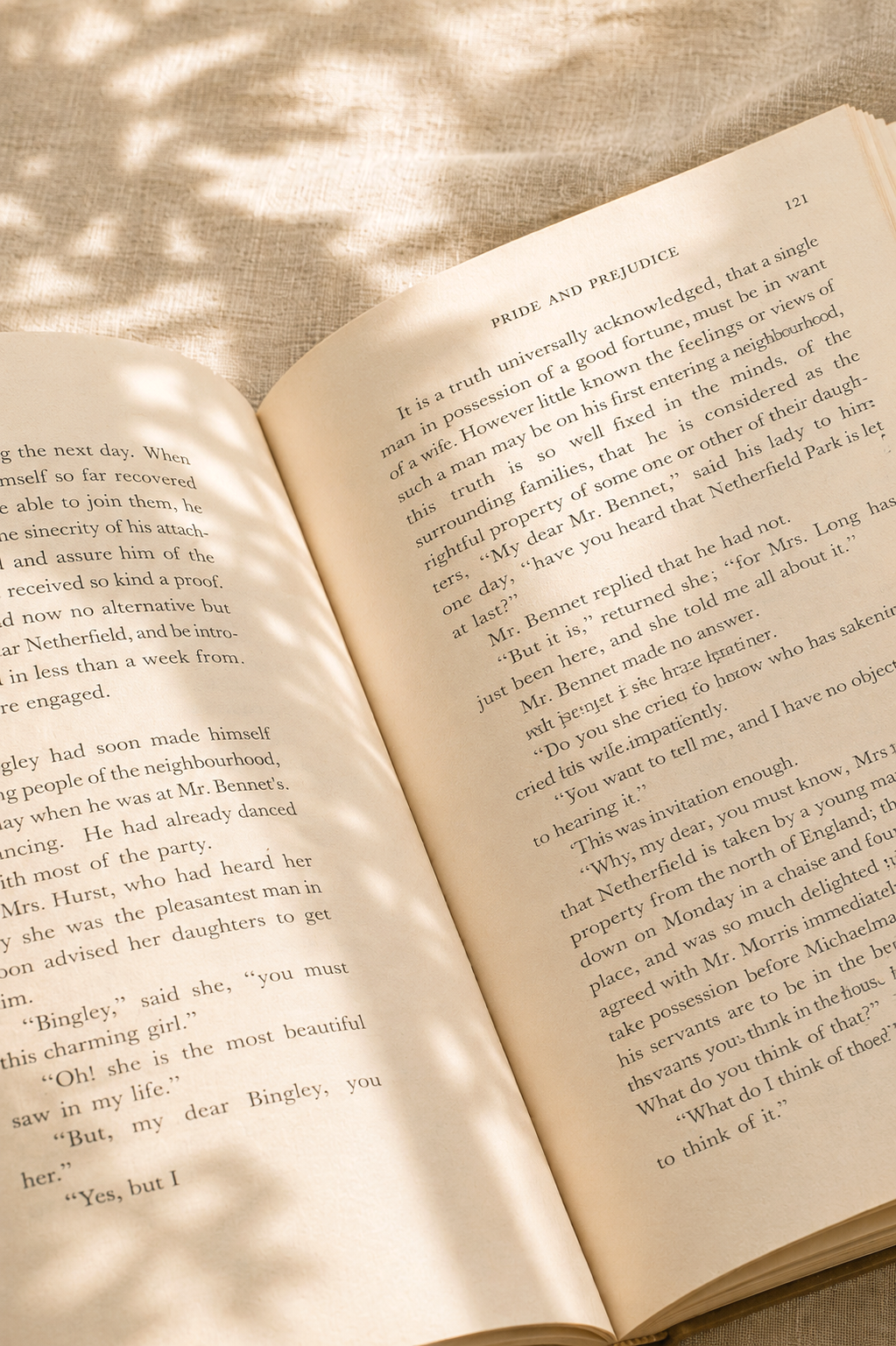
Language is carefully modernized at the word and sentence level.
Structure, tone, and meaning are preserved in full.
Nothing is rewritten, simplified, or removed.
The result is a faithful, and fully intact reading experience.
“Everything should be made as simple as possible, but not simpler.”
— Albert Einstein
03
The Results
Example 1
Before:
“She was sensible that the journey would be fatiguing.”
After:
“She knew that the journey would be tiring.”
Example 2
Before:
“Hardly had he entered the room when he perceived the change.”
After:
“He had barely entered the room when he noticed the change.”
Example 3
Before:
“He was much vexed by the circumstance.”
After:
“He was very upset by the situation.”
04
Why Read The Classics?
The great works of the past are not relics.
They are living texts—filled with timeless ideas about ambition, love, power, fear, character, meaning, and human nature.
Modern Canon exists to make these works easier to experience—without losing what made them endure.
“A classic is a book that has never finished saying what it has to say.”
— Italo Calvino

Follow Us
Join the Conversation
Thoughtful reads. Timeless ideas. Updates from The Modern Canon.
Follow us on social media for reading inspiration, announcements, and behind-the-scenes updates.














Contact Us