Modernization
Our editorial process is built on a simple principle: great works should be read clearly, without altering what makes them great.
Each text is carefully modernized at the level of language—not meaning. The process is precise, controlled, and deliberately conservative. Every change is made to improve clarity while preserving the full structure, tone, and intent of the original work.
Nothing is added. Nothing is removed. Nothing is reinterpreted.
“Everything should be made as simple as possible, but not simpler.”
— Albert Einstein
01
Core Principle
Modernization follows a strict hierarchy:
Meaning is preserved in full
Structure is preserved wherever possible
Tone and authorial voice are maintained
Language is updated only where it improves clarity
If a change risks altering meaning or tone, it is not made.

02
What Defines a Modern Canon Edition
Every Modern Canon Volume adheres to a consistent editorial standard:
Complete and unabridged
Faithful to the original meaning, structure, and tone
Language modernized for clarity, not convenience
No added interpretation, commentary, or analysis
Designed for a seamless and immersive reading experience
Each decision is guided by a single principle: preserve the integrity of the original work while removing the barriers that no longer serve the reader.

03
What is Modernized

Word-Level Modernization
Outdated or unfamiliar words are updated where they no longer serve modern understanding.
Goal: eliminate unnecessary translation in the reader’s mind.
Example:
Original:
“She was sensible that the journey would be fatiguing.”
Modernized:
“She knew that the journey would be tiring.”

Sentence Structure
Long or inverted constructions are adjusted when they disrupt natural reading flow.
Goal: preserve the full thought while restoring readability.
Example:
Original:
“Hardly had he entered the room when he perceived the change.”
Modernized:
“He had barely entered the room when he noticed the change.”
!
Punctuation & Syntax
Archaic punctuation conventions are updated to modern standards.
Goal: improve flow without altering rhythm or emphasis.
This includes:
Standardizing dialogue formatting
Replacing outdated punctuation forms
Adjusting overly complex sentence separators when necessary

Consistency & Clarity
Minor inconsistencies or outdated conventions that create confusion are resolved conservatively. All changes are minimal and controlled.
This may include:
Standardizing spelling where appropriate
Clarifying phrasing that no longer communicates clearly
Translating foreign-language passages when they interrupt comprehension
04
What Is Not Changed
To preserve the integrity of each work, the following are never altered:
Plot, events, or content
Themes or ideas
Narrative structure
Characterization or dialogue intent
Authorial tone or stylistic identity
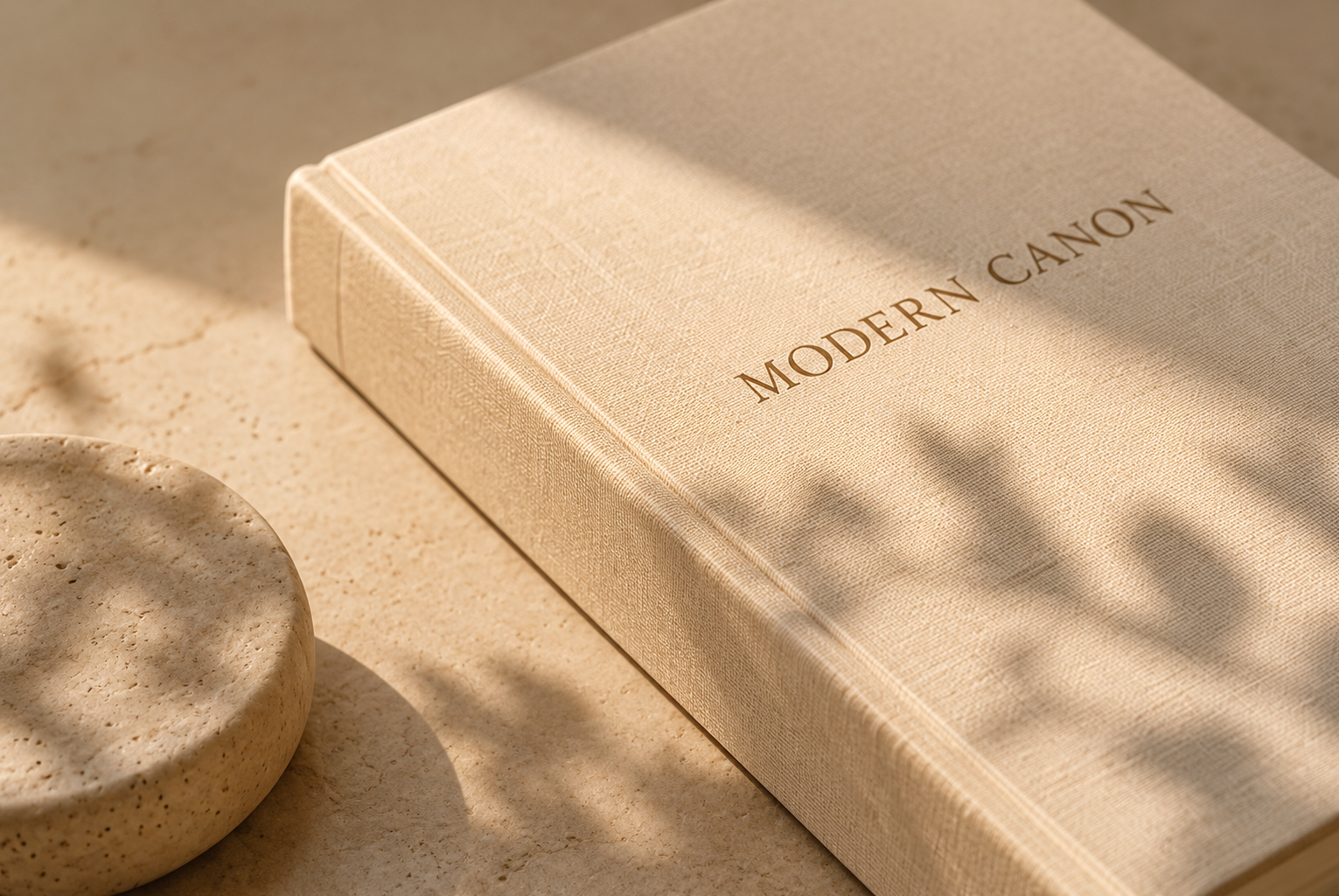
Modern Canon editions are not adaptations, summaries, or reinterpretations. They are the original works—presented clearly.

05
The Process
Each work undergoes a structured, multi-stage editorial process to ensure precision and consistency:
Initial modernization at the word and sentence level
Targeted revision passes to resolve clarity and consistency issues
Mechanical standardization of punctuation, formatting, and usage
Final editorial review to confirm tone, structure, and fidelity
Each stage is intentionally conservative. Changes are made only where they improve clarity without altering meaning or voice. The result is a text that reads naturally to a modern audience while remaining fully faithful to the original.

06
A Complete Example
Original:
I had not intended to love him; the reader knows I had wrought hard to extirpate from my soul the germs of love there detected; and now, at the first renewed view of him, they spontaneously arrived, green and strong!
Modernized:
I had not intended to love him; the reader knows I had labored hard to root out of my soul the seeds of love there discovered; and now, at the first renewed sight of him, they sprang up again, green and strong!
What Changed:
Outdated vocabulary: wrought → labored, extirpate → root out
Clarified imagery: germs of love → seeds of love
Natural expression: spontaneously arrived → sprang up
Natural phrasing: renewed view → renewed sight
What Remained:


Structure
Rhythm


Meaning
Tone
07
Conclusion
The goal is not to change great works.
It is to remove the barriers that prevent them from being read as they were meant to be.
“The real voyage of discovery consists not in seeking new landscapes, but in having new eyes.”
— Marcel Proust